A counterfeit component can pass a bench test and still fail under thermal or electrical stress in the field. For manufacturers, telecom operators, and industrial clients, that is not a price problem — it is a reliability and liability problem. To be clear about who is writing this guide: Kronix Silicon is a sourcing and distribution partner, not a semiconductor fab. We do not make chips; we make sure the chips you buy are genuine and documented.
Why Counterfeits Reach the African Market
When demand outpaces authorised supply, grey-market volume rises to fill the gap — parts that bypass authorised distribution and arrive without verifiable provenance. Allocation cycles, obsolescence, and long lead times all push buyers toward whatever is “available.” That availability is exactly where the risk lives.
The forms counterfeits take
- Relabelled parts — a lower grade or different part re-marked as the one you ordered
- Recycled parts — pulled from scrap, cleaned, and re-sold as new
- Out-of-spec rejects — factory rejects diverted into the grey market
- Empty or non-functional packages — in the worst cases, no die at all
The Defence Is Provenance, Not Price
You cannot inspect your way out of counterfeit risk after the fact. The defence is sourcing discipline applied before the part ever reaches your line.
Source from authorised, traceable lines
Buy from authorised supply lines with a documented chain of custody. Kronix Silicon sources from authorised and traceable lines, with anti-counterfeit discipline aligned to recognised practice (AS6081 / AS9120 where applicable) and ISO 9001 quality practice — and we describe only the accreditations and authorised lines we actually hold.
Require documentation at every handover
- Origin documentation tying the part to its authorised manufacturer
- Lot and date-code records
- Chain-of-custody from manufacturer through to your receiving dock
See our Traceability & Compliance approach for how this is recorded.
Incoming Inspection: The Last Line of Defence
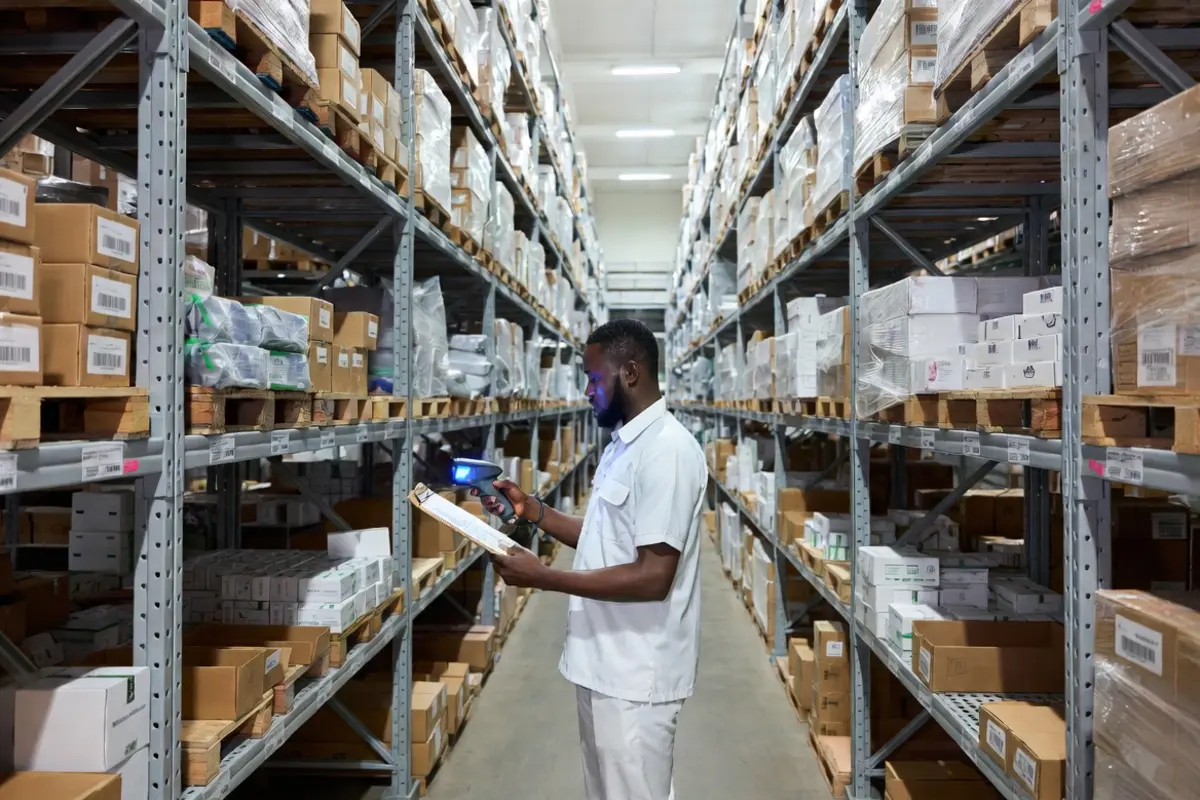
Even with authorised sourcing, incoming inspection confirms that physical receipt matches documentation — markings, packaging, and moisture-sensitive-device seals checked before parts enter your supply chain. Our Quality Assurance & Testing applies verification to the part and the risk.
When a Part Is Hard to Find
Counterfeit risk spikes for obsolete and allocation-constrained parts — precisely when buyers are most tempted to take a grey-market route. The honest answer is structured Obsolescence Management: last-time-buys and traceable legacy sourcing, with honesty when a part genuinely cannot be sourced rather than substituting silently.
What It Costs — Honestly
Verified, traceable sourcing is quoted per requirement — there is no flat published rate, because component prices are market-driven and depend on part, volume, lead time, and supply situation. We quote against your real BOM and the real market, never an invented figure. The cheapest quote is often the grey-market one; the genuine part is the one that holds in the field.
Frequently Asked Questions
How do I know a component is genuine?
Documented provenance: authorised source, lot/date-code records, chain-of-custody, and incoming inspection. Genuine is what you can prove, not what you are told.
Is the cheapest supplier the counterfeit risk?
Often, yes — an unusually low price on a hard-to-find part is a classic grey-market signal. Provenance, not price, is the test.
Is Kronix Silicon a chip maker?
No. We are a sourcing and distribution partner. We do not fabricate chips; we source genuine, documented ones.
Request a sourcing quote — or discuss a supply programme: +233 20 531 3333.
See also: Electronic Component Sourcing.